

Blog
How to Clean Venetian Blinds: Easy Methods That Actually Work

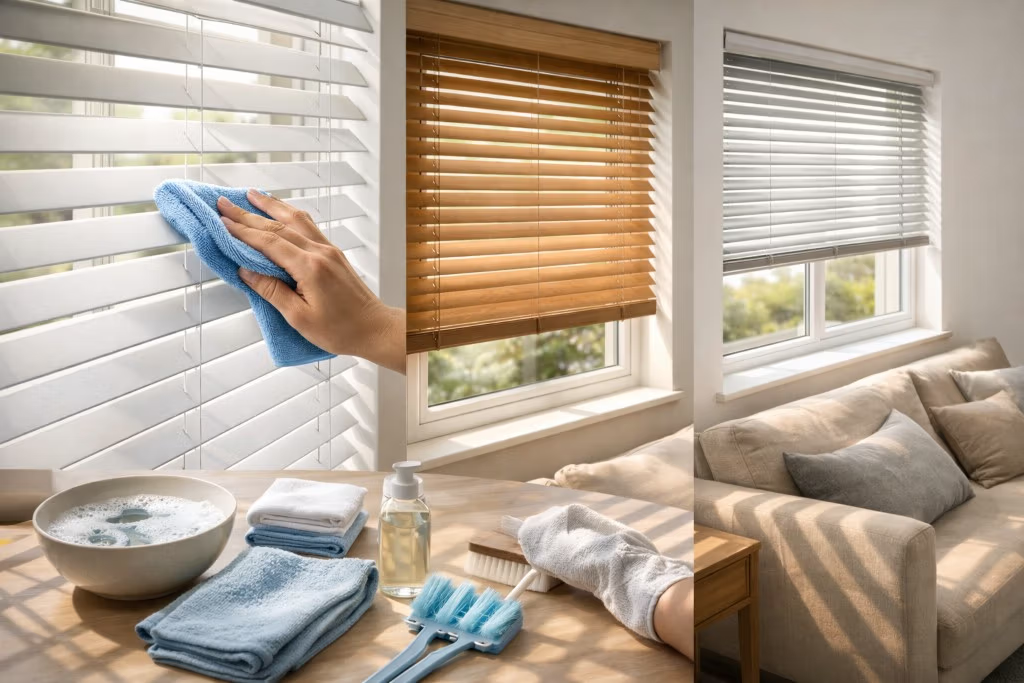
Venetian blinds are brilliant for light control, but let’s be honest-those horizontal slats are dust magnets. If you’ve been putting off cleaning your blinds because it seems like a tedious job, you’re not alone. The good news? With the right technique, cleaning venetian blinds is far easier than most people think.
At Dublin Blinds, we’ve been fitting venetian blinds across Ireland for years, and we’ve learned every cleaning trick in the book. This guide covers everything from quick weekly dusting to deep cleaning methods that’ll have your blinds looking brand new-regardless of whether they’re wood, faux wood, or aluminium.
Understanding Your Venetian Blind Material
Before reaching for cleaning products, identify your blind material-each type has specific care requirements:
Real Wood Venetian Blinds
Beautiful but require careful handling. Real wood can warp or crack if exposed to excess moisture, so wet cleaning methods should be avoided or used sparingly.
Faux Wood Venetian Blinds
Made from PVC or composite materials, faux wood blinds are more water-resistant and forgiving. They can handle damp cleaning and are ideal for humid environments like kitchens and bathrooms.
Aluminium Venetian Blinds
The most robust option for cleaning. Aluminium slats can be thoroughly washed and even removed for bathtub cleaning if needed. They dry quickly and won’t warp.
Weekly Dusting: The 5-Minute Method
Regular dusting prevents build-up and keeps cleaning quick. Aim to dust your venetian blinds weekly-it only takes a few minutes once you know the technique.
What You’ll Need
- Microfibre duster or cloth
- Venetian blind duster (optional but helpful)
- Old sock or cotton glove
Step-by-Step Dusting
- Close the blinds one direction: Tilt slats fully closed so you can dust the top surface
- Start at the top: Dust from top to bottom so falling dust doesn’t settle on clean slats
- Use the right motion: Wipe along each slat horizontally, not up and down
- Flip and repeat: Close blinds the opposite direction and dust the other side
The Sock Trick
Put an old sock over your hand like a glove. Grip each slat between thumb and fingers, and slide along its length. This cleans both sides of each slat simultaneously-twice as fast as dusting one side at a time.
Vacuum Option
Use your vacuum cleaner’s soft brush attachment on low suction. Run it along closed slats for quick dust removal. Be gentle to avoid bending aluminium sla
Monthly Wipe-Down: Removing Grime
Once a month (or when you notice visible grime), give your blinds a slightly deeper clean:
For Faux Wood and Aluminium Blinds
You’ll need:
- Warm water
- Mild washing-up liquid
- Two microfibre cloths
- Bowl or bucket
Method:
- Mix a few drops of washing-up liquid into warm water
- Dampen (not soak) a microfibre cloth
- Close blinds and wipe each slat from end to end
- Flip blinds and repeat on the other side
- Use the dry cloth to remove excess moisture
- Open blinds and let air dry completely
For Real Wood Blinds
Wood requires a gentler approach:
- Use a barely damp cloth-wring it until almost dry
- Wipe each slat quickly, don’t let moisture sit
- Immediately follow with a dry cloth
- Consider using furniture polish designed for wood (spray onto cloth, not directly onto blinds)
Warning: Never use dripping wet cloths on real wood blinds. Excess moisture can cause warping, cracking, and finish damage.
Deep Cleaning: The Bathtub Method
For seriously grimy blinds (think kitchens with cooking residue or blinds neglected for years), deep cleaning may be necessary. This method is only suitable for aluminium and some faux wood blinds-never for real wood.
Before You Start
- Check manufacturer guidelines-some faux wood blinds aren’t suitable for immersion
- This method is best done on a dry day so blinds can air dry completely
- Have towels ready to catch drips
Step-by-Step Bathtub Cleaning
- Remove blinds: Unhook from brackets and carefully carry to bathroom
- Fill bathtub: Use warm (not hot) water with a cup of mild washing-up liquid
- Submerge blinds: Lay them flat in the water, fully open
- Soak: Leave for 20-30 minutes to loosen grime
- Wipe each slat: Use a soft cloth or sponge to clean both sides
- Drain and rinse: Empty dirty water and rinse blinds with clean water
- Shake off excess: Lift carefully and shake gently over the bath
- Hang to dry: Hang over a shower rail or outdoors until completely dry
- Reinstall: Only rehang once fully dried to prevent mould or water marks
Drying Tips
- Open slats fully while drying for best air circulation
- Avoid direct sunlight which can cause uneven fading
- Use a fan to speed drying if needed
- Check headrail and mechanism are fully dry before reinstalling
Cleaning Kitchen Venetian Blinds
Kitchen blinds face unique challenges: grease, food splatters, steam, and cooking odours. Here’s how to tackle them:
Cutting Through Grease
Standard washing-up liquid may not cut through heavy grease build-up. Try these alternatives:
- White vinegar solution: Mix equal parts white vinegar and water. Vinegar cuts grease naturally.
- Bicarbonate of soda paste: For stubborn spots, make a paste with bicarb and water, apply to greasy areas, leave 5 minutes, then wipe off.
- Degreasing spray: Kitchen degreasers work well on aluminium and faux wood. Test on a hidden area first.
Prevention Tips
- Turn on extractor fans while cooking to reduce airborne grease
- Wipe down blinds weekly in kitchens rather than monthly
- Consider faux wood or aluminium blinds for kitchen windows-they’re easier to clean than real wood
Cleaning Venetian Blinds in Bathrooms
Bathroom blinds battle humidity, condensation, and potential mould. Proper cleaning prevents long-term damage:
Dealing with Mould and Mildew
If you spot black spots on your blinds, act quickly:
- Mix one part white vinegar to four parts water (or use a mould-removal spray)
- Apply to affected areas with a cloth
- Leave for 10-15 minutes
- Wipe clean with fresh water
- Dry thoroughly-moisture encourages mould return
Prevention Is Key
- Open bathroom windows or use extractor fans after showers
- Wipe condensation from blinds when you notice it
- Choose faux wood or aluminium for bathroom blinds-they resist moisture better
- Avoid real wood venetians in bathrooms unless the room is very well-ventilated
Removing Specific Stains
Different stains require different approaches. Here’s how to tackle common problems:
Water Marks
Wipe with a barely damp cloth, then immediately buff dry. For stubborn marks on faux wood, use a tiny amount of white spirit on a cloth.
Pen or Marker
Try isopropyl alcohol (rubbing alcohol) on a cotton bud for small marks. Test on a hidden area first as it may affect some finishes.
Sticky Residue (Labels, Tape)
Apply a small amount of cooking oil, leave for 5 minutes, then wipe away. Clean any oil residue with washing-up liquid solution.
Crayon (Thanks, Kids)
Heat marks gently with a hairdryer to soften wax, then wipe with a dry cloth. Follow with mild soap solution to remove colour residue.
Nicotine/Smoke Staining
This requires the bathtub method for aluminium/faux wood blinds. Use warm water with added white vinegar. Multiple soaks may be needed for heavy staining.
Cleaning Venetian Blind Mechanisms
Don’t forget the hardware! Headrails, cords, and mechanisms collect dust too:
Headrail
Use the soft brush vacuum attachment to remove dust. For visible dirt, wipe with a damp cloth and dry immediately.
Cords and Ladders
Run cords through a damp cloth to remove accumulated grime. For white cords that have greyed, a mild bleach solution can restore brightness (test first).
Tilt Mechanism
If the tilt wand becomes stiff, a tiny drop of silicone lubricant can help. Avoid WD-40 or oil-based lubricants which can attract dust.
Bottom Rail
This often catches the most dust. Wipe with a damp cloth monthly, paying attention to corners and end caps.
How Often Should You Clean Venetian Blinds?
Establish a routine based on your environment:
| Cleaning Task | Standard Rooms | Kitchens | Bathrooms |
|---|---|---|---|
| Quick dusting | Weekly | Twice weekly | Weekly |
| Damp wipe-down | Monthly | Weekly | Fortnightly |
| Deep clean | Every 6-12 months | Every 3-6 months | Every 6 months |
High-dust environments (homes near busy roads, with pets, or in rural areas) may need more frequent cleaning.
Allergy sufferers benefit from more frequent dusting-dust-harbouring blinds can trigger symptoms.
Common Cleaning Mistakes to Avoid
Using Too Much Water
Over-wetting causes water marks, warping (on wood), and can damage mechanisms. Cloths should be damp, never dripping.
Harsh Chemicals
Bleach, ammonia, and abrasive cleaners can damage finishes. Stick to mild soap solutions or dedicated blind cleaners.
Rubbing Too Hard
Aluminium slats bend easily. Gentle wiping pressure is all you need-aggressive scrubbing won’t clean better and may cause damage.
Neglecting to Dry
Leaving blinds wet, especially at the top near mechanisms, can cause rust, mould, and mechanism failure. Always dry thoroughly.
Cleaning in Direct Sunlight
Cleaning solutions can leave marks if they dry too quickly in sunlight. Choose a cloudy day or close curtains while cleaning.
Frequently Asked Questions
Can you put venetian blinds in the dishwasher?
We don’t recommend it. The heat and harsh detergents can damage finishes and warp materials. The bathtub method is safer and more effective.
How do you clean venetian blinds without taking them down?
Weekly dusting and monthly damp wipe-downs can both be done with blinds in place. Only the deep clean bathtub method requires removal.
What’s the best way to clean white venetian blinds?
White blinds show dirt more readily. Use the monthly wipe-down method with a mild soap solution. For stubborn marks on PVC faux wood, a magic eraser can work wonders (test first).
Can you steam clean venetian blinds?
Steam can work on aluminium and some faux wood blinds, but avoid on real wood. Use a handheld steamer with a cloth attachment, working quickly and drying immediately.
How do you stop venetian blinds getting dusty?
You can’t eliminate dust entirely, but anti-static sprays can reduce dust attraction. Regular dusting prevents build-up that becomes harder to clean.
Clean Blinds Made Simple
Cleaning venetian blinds doesn’t need to be a dreaded chore. With regular weekly dusting, monthly wipe-downs, and occasional deep cleans, your blinds will stay looking fresh for years.
Key takeaways:
- Know your material: Real wood, faux wood, and aluminium each need different approaches
- Regular light cleaning beats occasional deep cleaning: Weekly dusting prevents build-up
- Less water is more: Damp cloths, never dripping wet
- Dry thoroughly: Prevent water marks, mould, and mechanism damage
- Match method to location: Kitchens and bathrooms need more frequent attention
Looking for venetian blinds that are easy to maintain? Our faux wood venetian blinds offer the elegant look of real wood with much easier cleaning-perfect for busy Irish households.